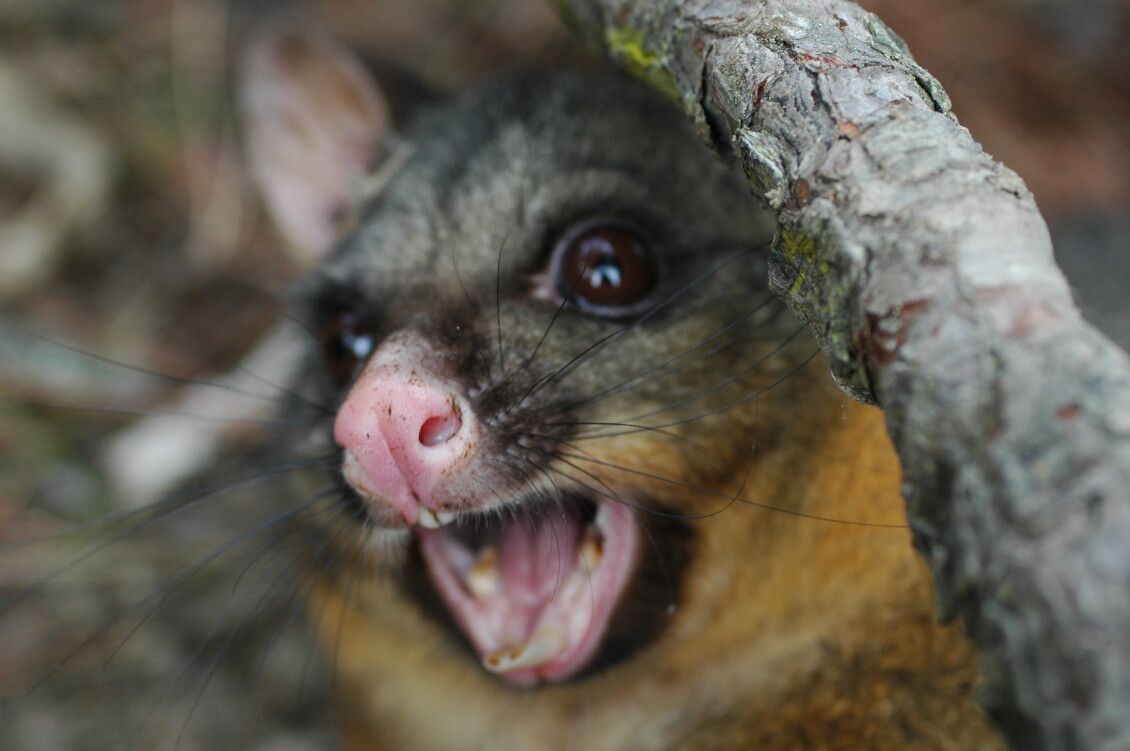
Possums are threatening Greytown’s leafy heritage, and Greater Wellington is calling for local homeowners to help protect trees and wildlife by allowing traps to be installed in their gardens. Arbor…

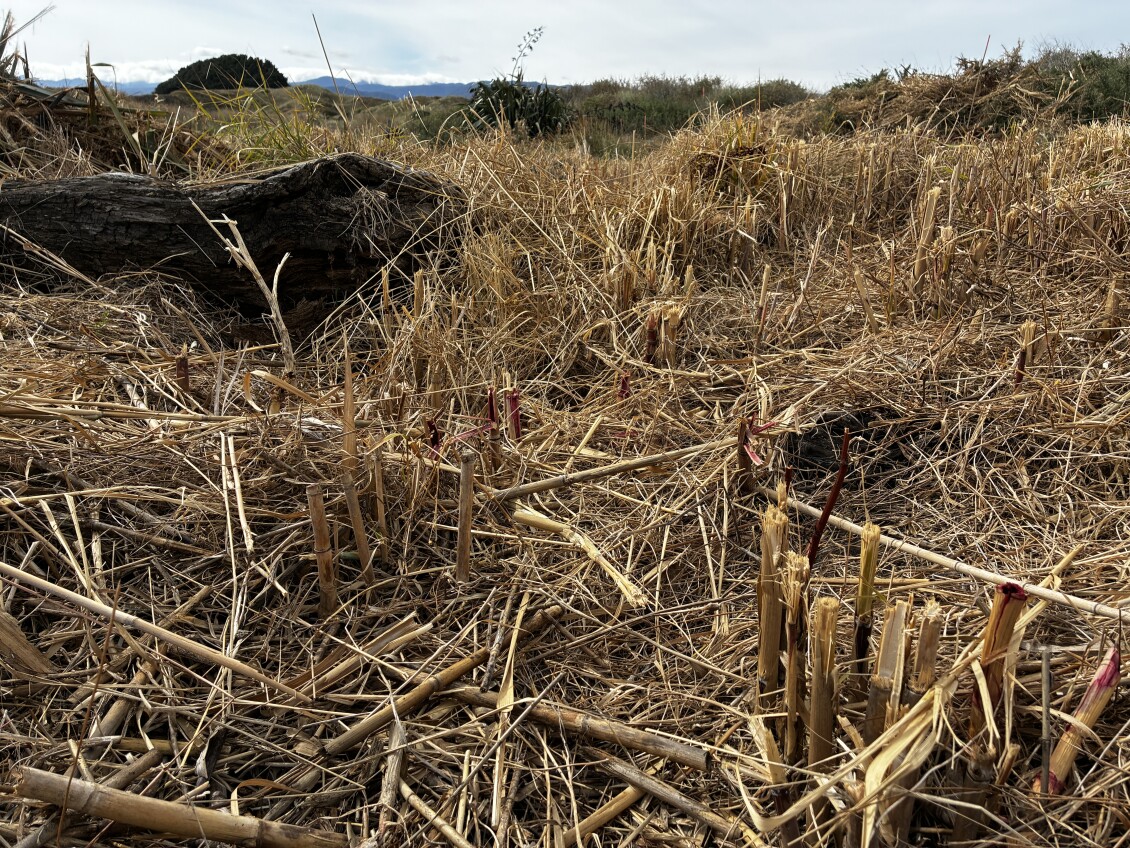
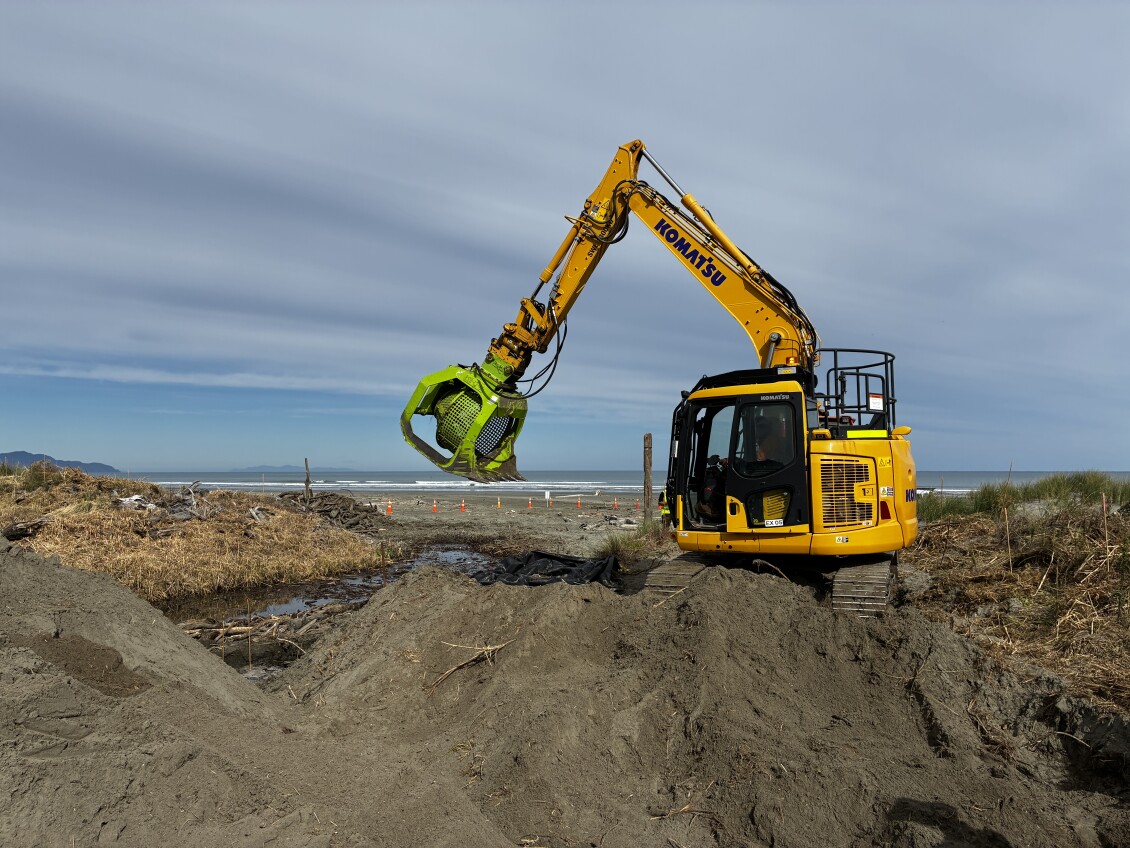
Diggers have been hard at work on Waikawa Beach removing an infestation of Phragmites karka at the mouth of Lake Waiorongomai, an area of environmental importance and cultural significance. In a completely new approach for Greater Wellington and in collaboration with Ngā Hapū o Ōtaki, the excavation took 11 days to complete.
Also known as common reed, Phragmites karka is an invasive plant species that is notoriously difficult to remove. Left untreated, the plant can spread quickly across wetlands, outcompeting endemic plants and reducing habitat for native fish species – damaging precious ecosystems.
Greater Wellington Team Leader of Environment Restoration Richard Romijn describes the plant as an “aggressive toothache”.
“Phragmites karka is like having a toothache. You think a filling will fix it, when really you need a root canal,” says Romijn.
“One approach to removing Phragmites karka is cutting and filling the long stems with herbicide; we tried this technique with little success, which led us to digging out the plant completely. This plant is found only on the Kāpiti Coast in the Wellington region, so it was important to address it now to prevent it spreading any further.
“We are doing this work with Ngā Hapū o Ōtaki to protect the health of the lake and surrounding wetlands. Sadly, wetlands have become rare in our region, with less than 3 percent of naturally occurring wetlands remaining; this work delivers both short-term protection and long-term benefits.”
Lake Waiorongomai is home to indigenous vegetation, several threatened fish species such as inanga and tuna, and is an important habitat for breeding and migrating birds.
Ngā Hapū o Ōtaki representative, Caleb Royal, says the project protects the mauri of the area from the invasive plant species.
“Lake Waiorongomai is a taonga – wāhi tapu – with high cultural and spiritual significance for our people. It was once a place for mahinga kai, gathering weaving materials and kaimoana, but the environment has degraded so much that its ability to sustain these practices are limited,” says Royal.
“The collective Māori ownership of the land involves more than 800 owners, and we deemed this work necessary to protect te taiao and the mauri of this place.”
Now that the plant has been extracted from the mouth of the stream, restoration will get underway to reshape and replant the sand dunes with a range of eco-sourced native plants.
This work is a step towards achieving one of the outcomes set out in the Kāpiti Whaitua Implementation Plan, which is committed to all water bodies in Lake Waiorongomai reaching a state of resilient health and waiora by 2040.
Possums are threatening Greytown’s leafy heritage, and Greater Wellington is calling for local homeowners to help protect trees and wildlife by allowing traps to be installed in their gardens. Arbor…
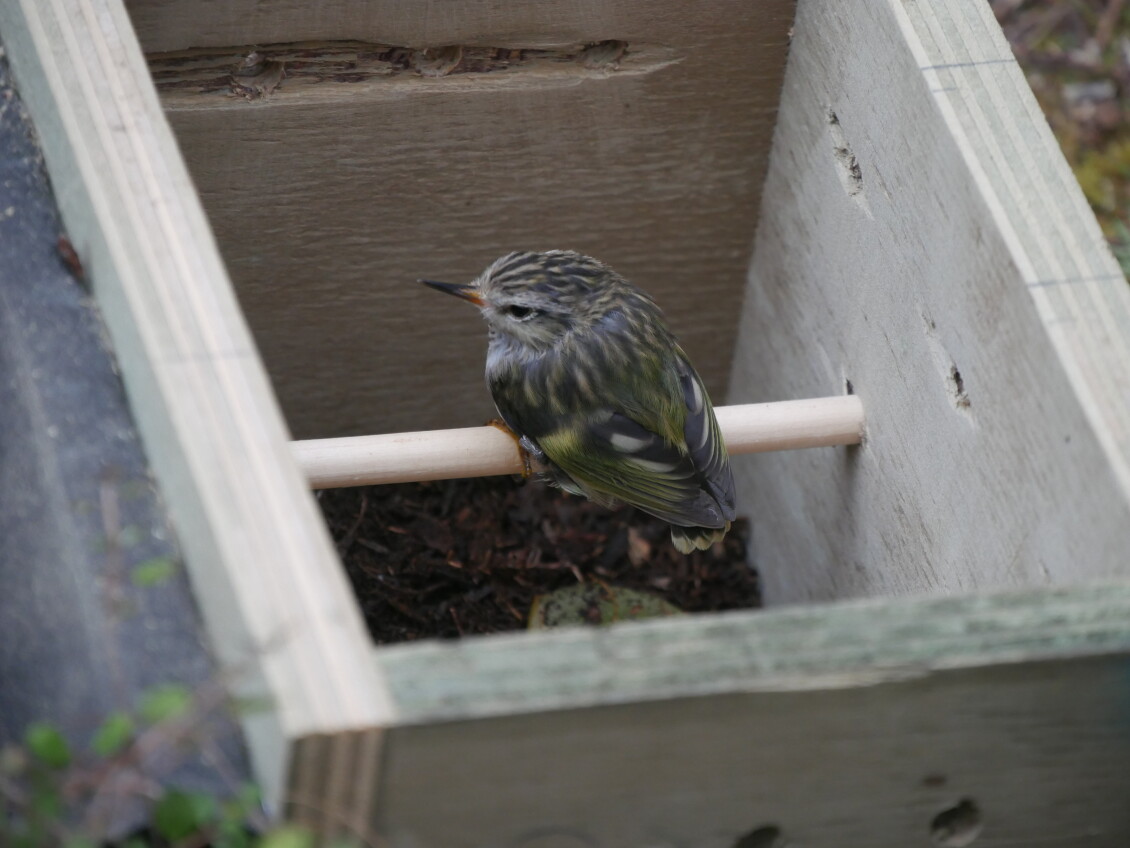
It’s hoped a population of about 25 tītipounamu/rifleman, translocated to Waterfall Road Bush near Paraparaumu, will fill a tītipounamu-sized hole in the ecosystem and spread to other important ecological areas…

Greater Wellington is urging the Government to strengthen the Natural Environment and Planning Bills, warning that – without vital amendments – the proposals risk weakening environmental safeguards, undermining Treaty obligations,…