Greater Wellington is urging jet boaters and other river users to report sightings of exposed rail irons in Wairarapa rivers – hidden hazards that can cause serious injury or death. A…

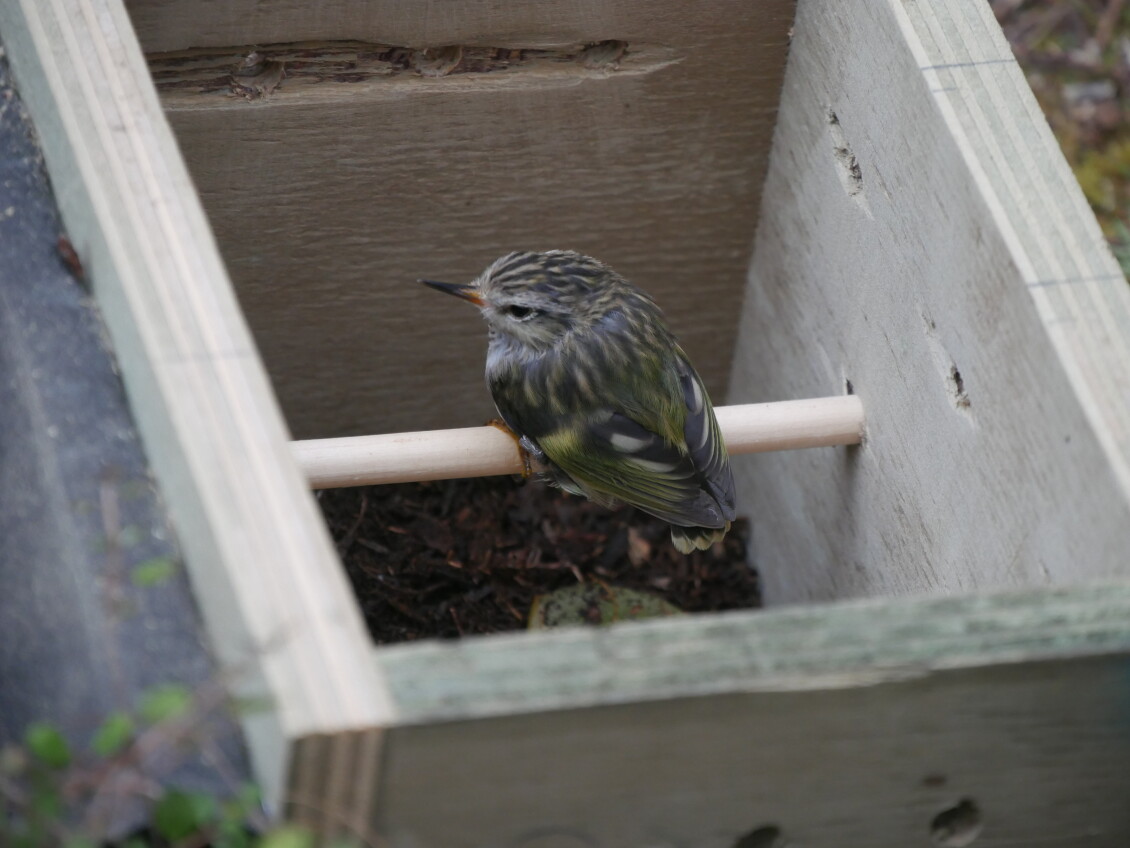
It’s hoped a population of about 25 tītipounamu/rifleman, translocated to Waterfall Road Bush near Paraparaumu, will fill a tītipounamu-sized hole in the ecosystem and spread to other important ecological areas on the Kāpiti Coast.
Waterfall Road Bush is a thriving pocket of biodiversity and ecological value that spans six private properties and is identified as a Key Native Ecosystem by Greater Wellington. On one of the properties, a group of local volunteers known as the Kotukutuku Ecological Restoration Project, have been working hard to protect and restore the forest, creating the right environment for these tiny birds to move into their new home.
Greater Wellington Senior Advisor of Environment Restoration, Kim Broad, says the cluster of 25 of the country’s smallest bird came from the region’s largest population.
“The tītipounamu population in the Wainuiomata Orongorongo water collection area has been regularly monitored over the last 20 years. This, paired with data from other sources, leads us to believe it’s the largest population of tītipounamu in the Wellington Region,” says Broad.
“Tītipounamu nests are spherical and enclosed with a narrow opening. They can also nest in the holes and cracks of trees – if a predator gets in the chicks can’t escape and it's all over. Due to the large amount of predator control that we do to restore native biodiversity in the water collection area, tītipounamu are plentiful, meaning the group was able to uplift the birds from a place where it won’t negatively impact the population.
“The Kotukutuku Ecological Restoration Project is not only working hard to restore the forest ecosystem, but is also helping to create a ‘stepping stone’ for native birds to other important ecological areas like Kāpiti Island. We are excited to see how this new population settles in and hope they will eventually mingle with adjacent populations in Waikanae and the Akatarawa Forest.”
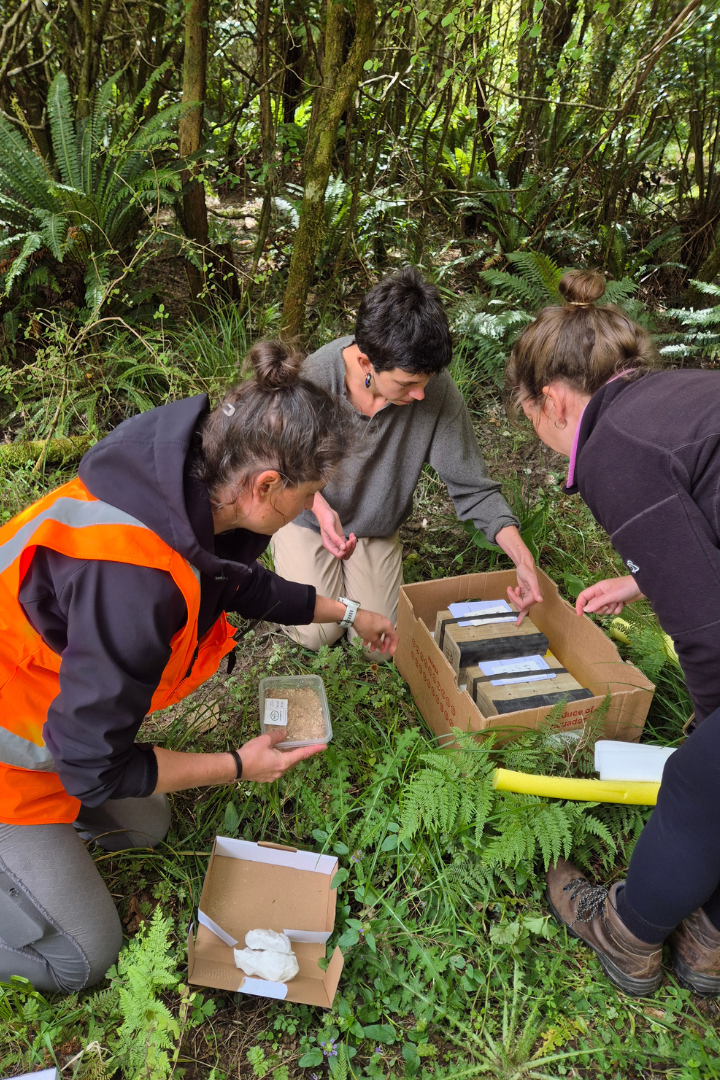
The Kotukutuku Ecological Restoration Project required approval from Taranaki Whānui ki Te Upoko o Te Ika the Department of Conservation to undertake the translocation on the grounds that it would be mutually beneficial for the species and the local ecosystem. In return, the group needed to provide detailed reporting of every aspect of the translocation, including timestamps of capture and release.
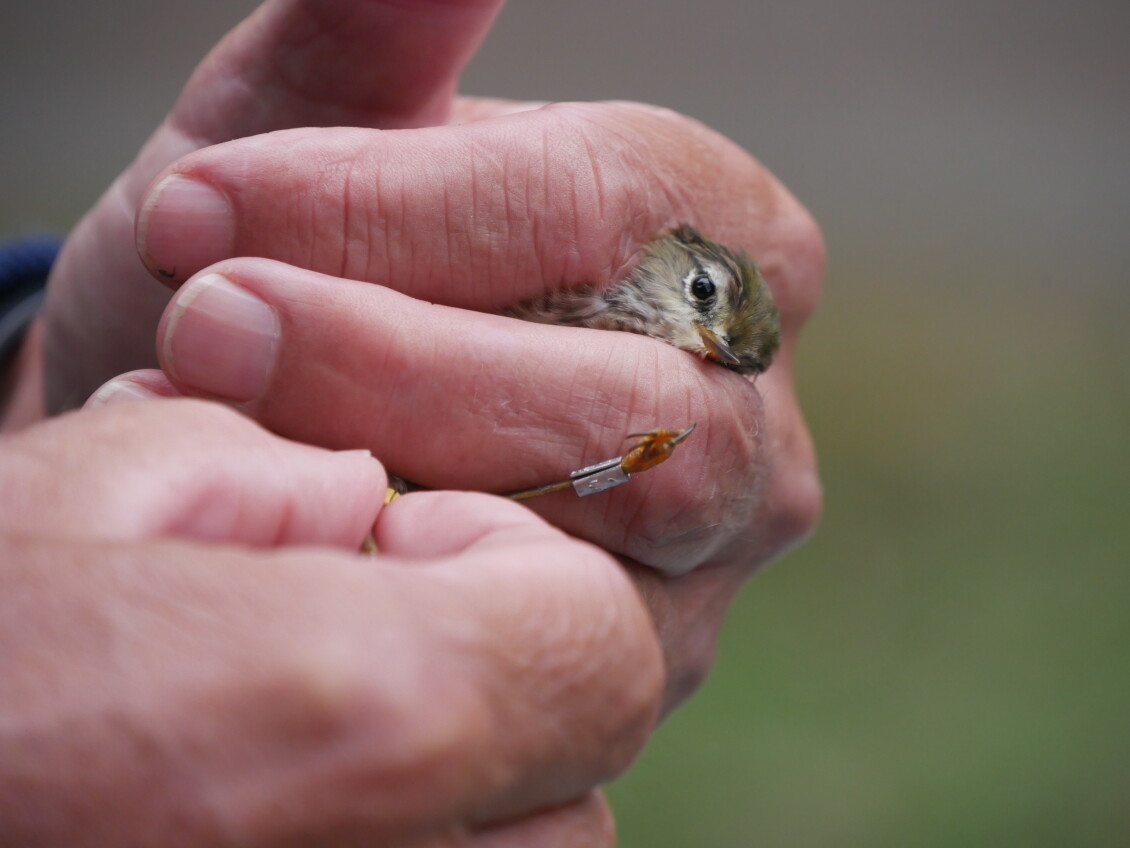
The restoration group put up fine ‘mist’ nets to catch the birds before carefully collecting, banding, and transporting them to Kāpiti within a window of 3.5 hours.
Peter Kiernan, one of the occupiers of their family trust’s land and a member of KERP, says the project was an exciting opportunity to collaborate with the Department of Conservation and regional council on a project that will benefit both the forest and the bird population.
“As a group, the Kotukukuku Ecological Restoration Project are thrilled with how the translocation went – such a privilege to be able to introduce tītipounamu to our forest as part of our efforts to enhance the local flora and fauna,” says Kiernan.
“We appreciate the work Greater Wellington does for our area, such as controlling possums, goats and weeds and we’re able to build on their efforts to have an even bigger impact.”
Greater Wellington’s Key Native Ecosystem programme is a framework used to prioritise council resources to protect and restore important native ecosystems through pest control, weed control, planting, and in this case, facilitating the translocation of endemic species.
Greater Wellington is urging jet boaters and other river users to report sightings of exposed rail irons in Wairarapa rivers – hidden hazards that can cause serious injury or death. A…
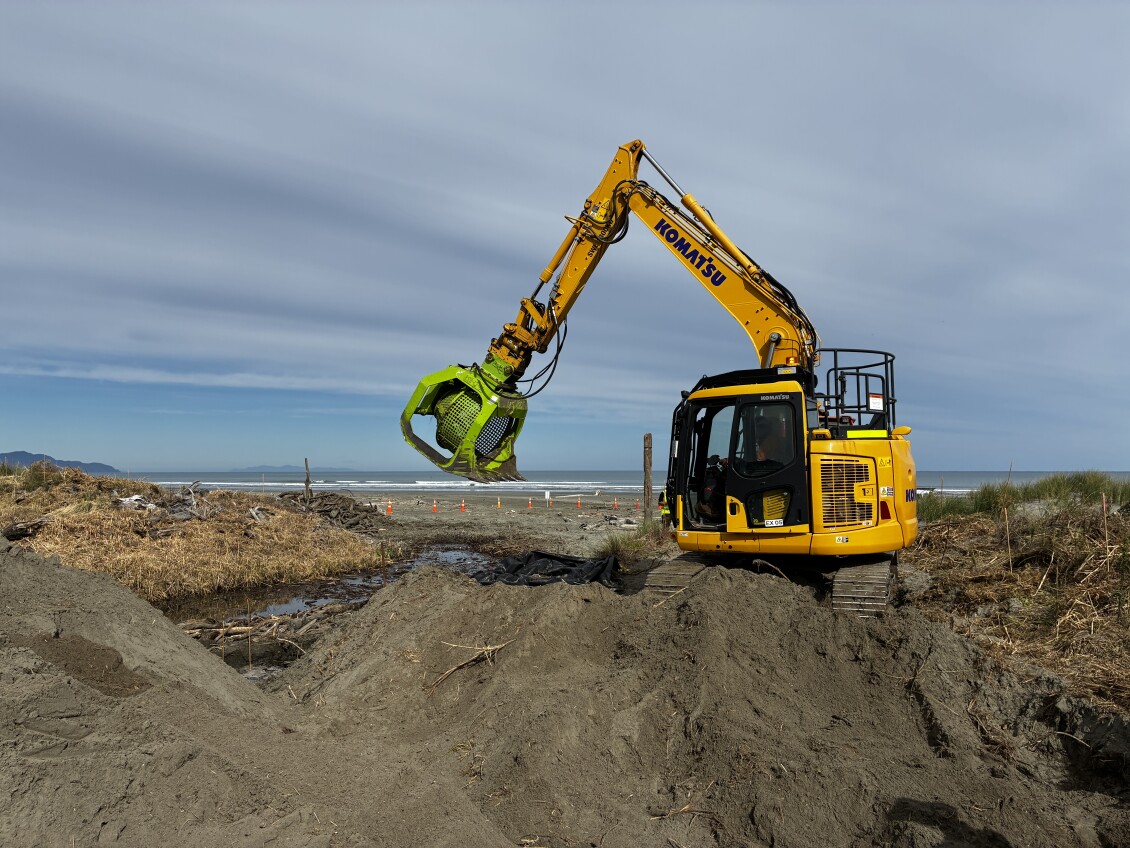
Diggers have been hard at work on Waikawa Beach removing an infestation of Phragmites karka at the mouth of Lake Waiorongomai, an area of environmental importance and cultural significance. In…
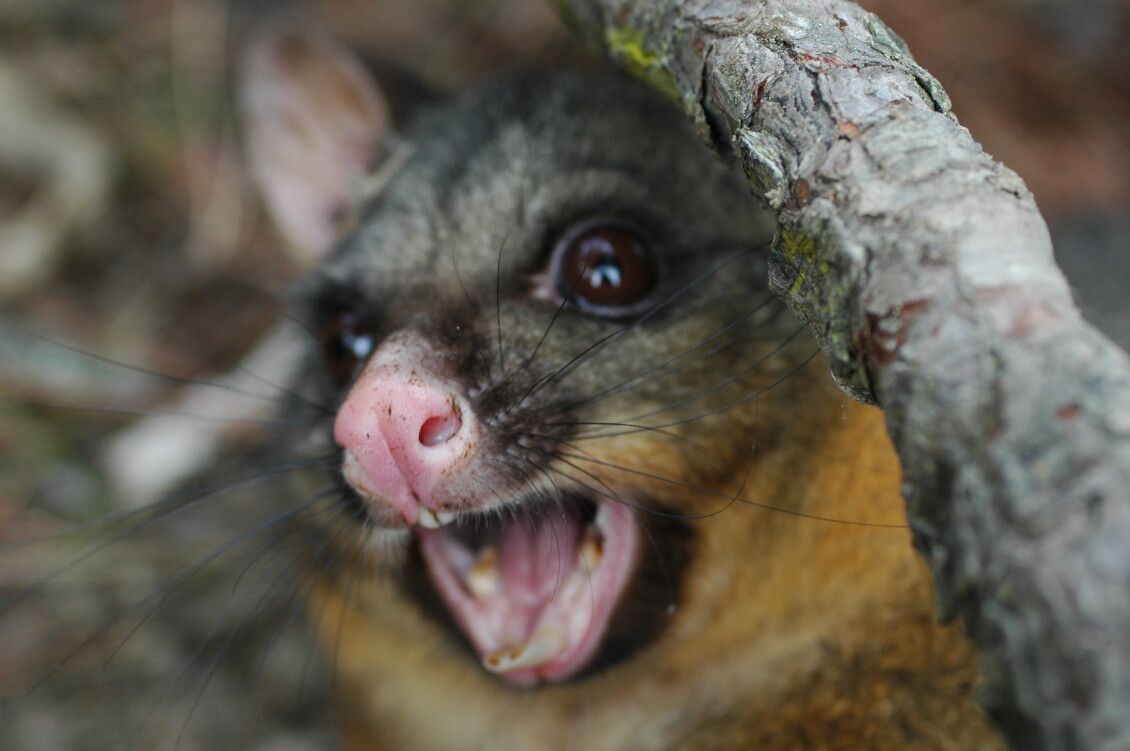
Possums are threatening Greytown’s leafy heritage, and Greater Wellington is calling for local homeowners to help protect trees and wildlife by allowing traps to be installed in their gardens. Arbor…