
A native bird classified as regionally Threatened: Vulnerable has been discovered at Parangarehu Lakes after around 70 years without recorded sightings, highlighting the importance of ongoing efforts to protect and…

Cleaner home heating and lower transport emissions is helping to improve air quality in the Wellington Region, a new state of the environment report by Greater Wellington shows.
The report, the first in a series by the regional council, shows that while air quality is getting better in many parts of the region, issues remain – particularly winter woodsmoke in Wairarapa towns and traffic-related pollution in Wellington city’s urban corridors.
Environment and Climate Committee Chair Quentin Duthie says the report reminds us that air quality is both a public health issue and an opportunity for practical action.
"The air we breathe has a direct impact on our health and wellbeing, and this report shows we cannot take clean air for granted – even in a region known for its wind," Cr Duthie says.
"The findings show we are making progress, but they also underline where more attention is needed – especially in communities where winter woodsmoke does not disperse, and in places where people are regularly exposed to traffic pollution."
The report found that Masterton and Carterton continue to experience the poorest winter air quality in the region, in some years experiencing more than 50 high-pollution days, defined by World Health Organization guidelines.
It also shows that while pollution from vehicle exhaust has generally declined over time, concentrations remain elevated along major transport corridors, especially the Manners Street section of the Golden Mile.
“Through our network of air quality monitoring stations and Greater Wellington expertise, the report shows us what is getting better, and where we can further improve,” says Deputy Committee Chair Gabriel Tupou.
“Improving air quality and addressing energy affordability must go hand in hand, ensuring low-income households are supported to transition to cleaner home heating without sacrificing the warmth and wellbeing of their whānau.”
Senior Environmental Scientist and report author Tamsin Mitchell says the report recommends practical actions to reduce air pollution.
"Targeted support for cleaner home heating, continued electrification of public transport, and reducing congestion can all help to improve health outcomes, support climate goals, and make our towns and cities more liveable," Ms Mitchell says.
“Air pollution remains a significant and preventable public health risk, connected with over 3,000 premature deaths nationally each year, and an estimated annual social cost to our region of $1.29 billion.”
The report also highlights the benefits of bus electrification, with air quality improvements recorded along most of the Golden Mile as diesel buses have been replaced with electric vehicles (EVs).
“Twenty-five percent of Metlink buses are electric and our EV fleet continues to grow, with five electric bendy buses coming soon to Route 2,” Cr Duthie says.
“However, the previous decline in pollution on Manners Street has begun to reverse. This is attributed to more diesel buses plying the route, with funding constraints preventing EV bus purchases from keeping up with growing passenger demand.
“The proposed second spine bus corridor along the harbour quays would also reduce concentrations of inner-city air pollutants, as Metlink works towards its goal of making all core service buses electric by 2038.
"Cleaner air delivers benefits well beyond the environment – it supports public health, strengthens liveability, and contributes to a more resilient low-emissions future for our region,” Cr Duthie says.
Air Quality in the Wellington Region report (PDF 14 MB)
Other recent air quality reports from Greater Wellington include:
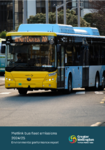
Trends in Metlink bus fleet emissions of CO2e and harmful pollutants are presented up to 30 June 2025. Fleet electrification has delivered substantial emissions reductions, although progress has stalled and… Read more here
date_range Published 05 Nov 2025
Download now (PDF 2.4 MB) get_app
This report assesses winter air quality monitoring undertaken in Carterton between 2010 and 2025, focusing on particulate matter (PM10 and PM2.5), to inform future monitoring if new Environmental Limits for… Read more here
date_range Published 30 Apr 2026
Download now (PDF 2 MB) get_app
This report summarises 20 years of air quality monitoring, science investigations, other sources of information about pollutant emissions, and estimated health impacts of air pollution on people living in Masterton. Read more here
date_range Published 01 Apr 2025
Download now (PDF 3.3 MB) get_app
A native bird classified as regionally Threatened: Vulnerable has been discovered at Parangarehu Lakes after around 70 years without recorded sightings, highlighting the importance of ongoing efforts to protect and…
Greater Wellington has filed charges against Tiaki Wai and Wellington City Council following its investigation into alleged unlawful wastewater discharges from the Moa Point Wastewater Treatment Plant. The charges relate to…

Following an independent investigation, Greater Wellington has filed charges in the District Court in Wellington relating to multiple non-compliance events at Moa Point Wastewater Treatment Plant (WWTP). The series of…