
Following an independent investigation, Greater Wellington has filed charges in the District Court in Wellington relating to multiple non-compliance events at Moa Point Wastewater Treatment Plant (WWTP). The series of…

Greater Wellington has filed charges against Tiaki Wai and Wellington City Council following its investigation into alleged unlawful wastewater discharges from the Moa Point Wastewater Treatment Plant.
The charges relate to two periods of alleged offending: wastewater discharges that occurred during an upgrade of the plant’s ultraviolet treatment system between October 2025 and January 2026; and the failure of the treatment plant in early February 2026 and the ongoing discharges connected to that failure.
Greater Wellington Director Strategy, Policy and Regulation Fathima Iftikar says the decision to prosecute follows a detailed investigation into the events, the roles of the parties involved and the environmental consequences.
“As an independent regulator, Greater Wellington is responsible for enforcing compliance with the Resource Management Act, including compliance with resource consents and the regional plan.” Dr Iftikar says.
“Where there is evidence of non-compliance, we have a responsibility to consider it and take appropriate action.”
At this stage, Tiaki Wai and Wellington City Council each face 10 charges. These comprise five charges relating to alleged unlawful discharges from the plant and five relating to alleged breaches of an abatement notice.
Under the RMA as amended in September 2025, if convicted Tiaki Wai and Wellington City Council each face a maximum fine of $10 million per charge. The decision to impose a fine and the level of that fine is made by the Court.
“Taking enforcement action against public organisations is a serious decision, and not one we take lightly,” Dr Iftikar says.
“Greater Wellington’s responsibility as the environmental regulator is to make those decisions independently, based on the evidence and the law.
“No matter how important the service, or who owns or operates it, the obligation to comply with environmental law remains the same.”
Dr Iftikar says the prosecution marks an important point in Greater Wellington’s response to the plant’s failure, but not the end of its responsibility to Wellington’s south coast.
“Operational improvements and work to restore the treatment plant are continuing. Greater Wellington is separately considering if regulatory measures are needed to ensure the plant returns to full compliance with its resource consents.
“People should be able to trust that environmental rules protecting the coastal marine area will be upheld by both public and private entities. Our role is to protect that trust by following the evidence, applying the law fairly, and holding those responsible to account where the evidence supports it.”
As the prosecution is now before the Court, Greater Wellington cannot comment further.
date_range Published 01 Oct 2026
Download now (PDF 125 KB) get_app
Following an independent investigation, Greater Wellington has filed charges in the District Court in Wellington relating to multiple non-compliance events at Moa Point Wastewater Treatment Plant (WWTP). The series of…
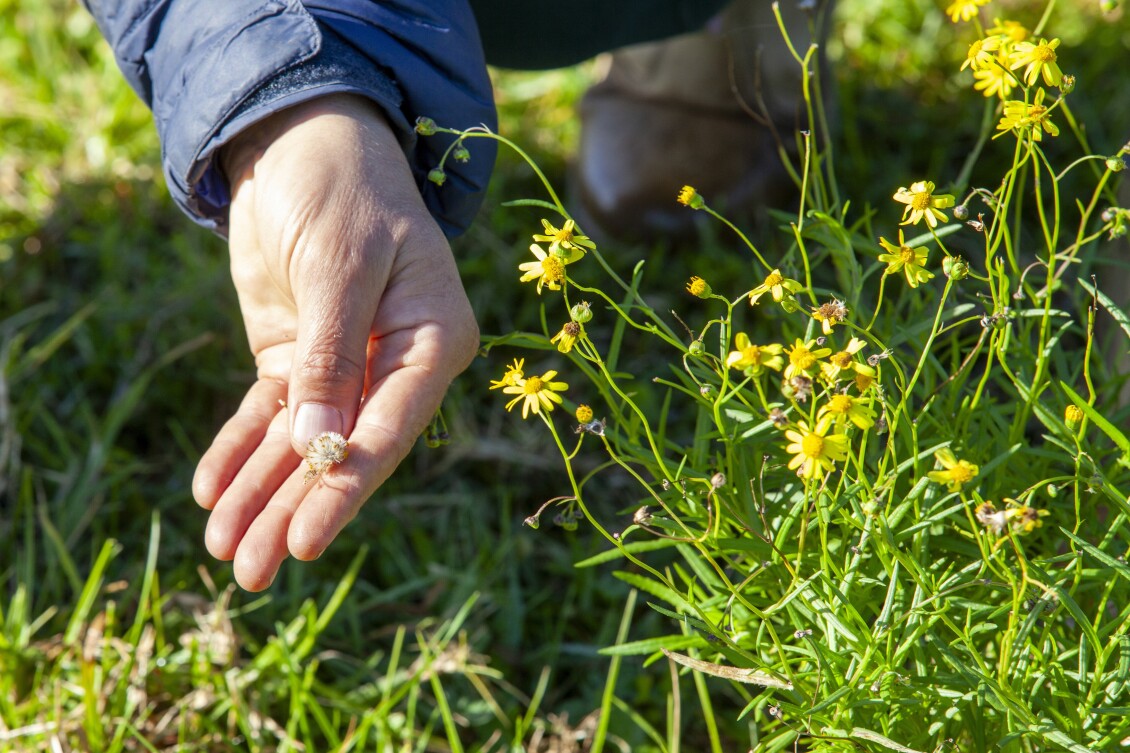
Madagascar ragwort, an invasive and highly toxic pasture weed, has been identified in south Wairarapa near Ngawi, prompting Greater Wellington to urge farmers, landowners and rural communities across Wairarapa and…
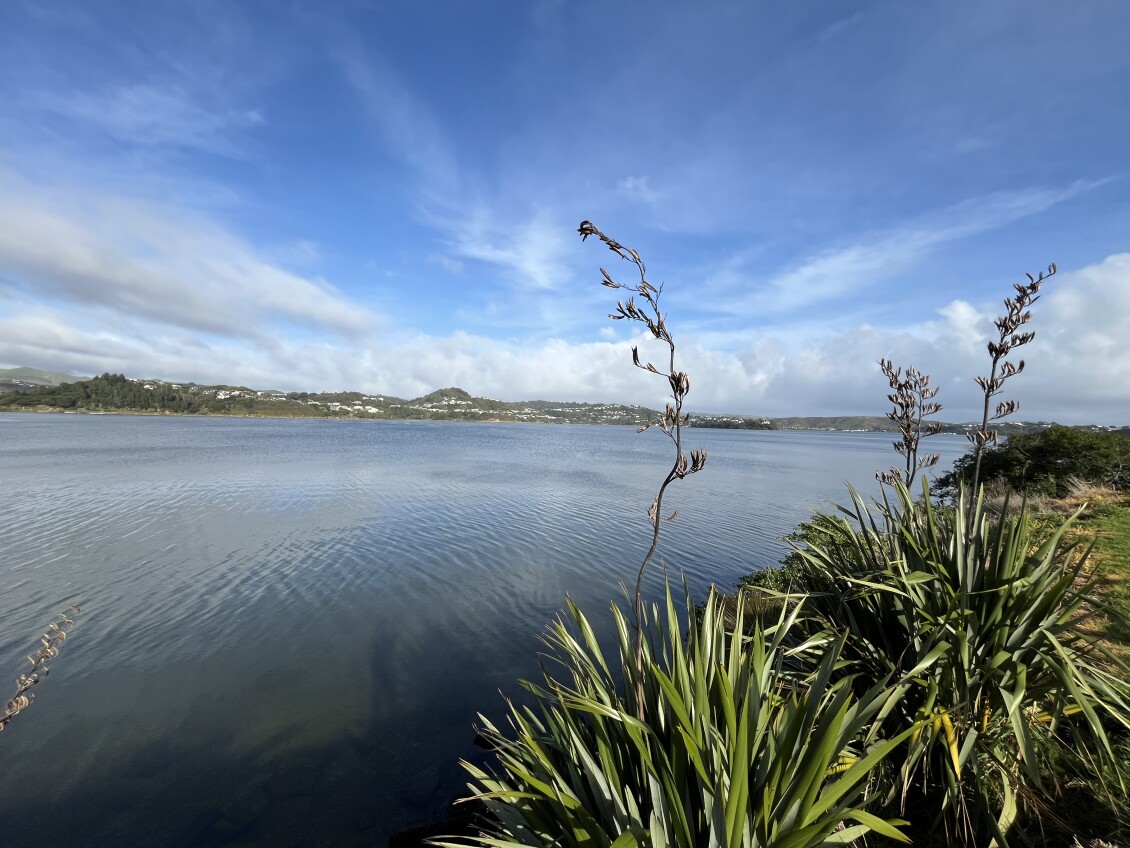
A major milestone has been reached in the restoration of Te Awarua o Porirua (Porirua Harbour), with the completion and release of the Te Awarua o Porirua Action Plan. Developed by…